Origins and Historical Development
The earliest construction of Derinkuyu Underground City is believed to date back to the Hittite period, around the 2nd millennium BCE. However, the city reached its most advanced and extensive form during the Roman and Byzantine eras, when underground cities became vital refuges for Christian communities facing invasions, political instability, and religious persecution.
Over centuries, new levels were added, expanding Derinkuyu into a vast subterranean complex capable of supporting large populations for extended periods.
A Complete Underground City
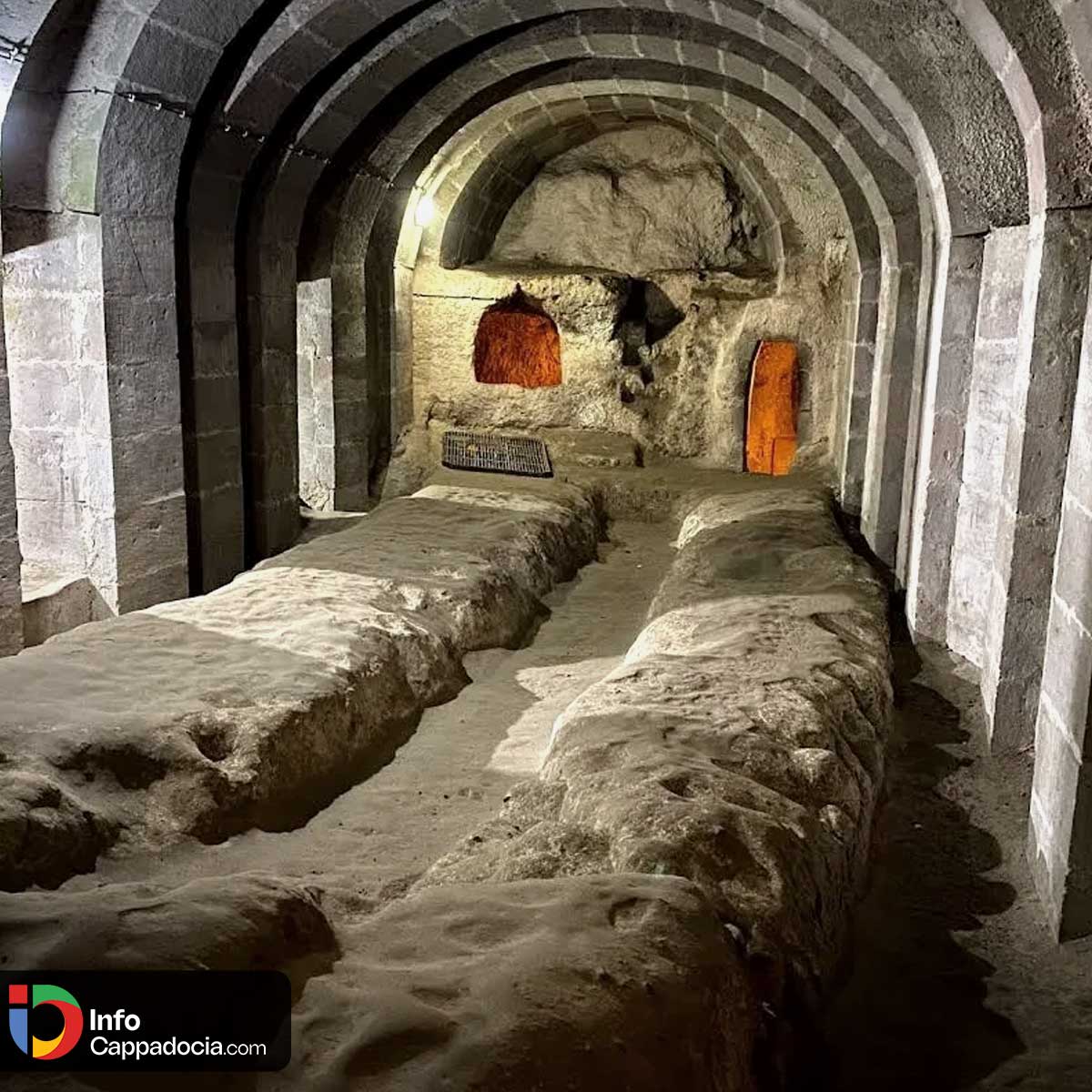
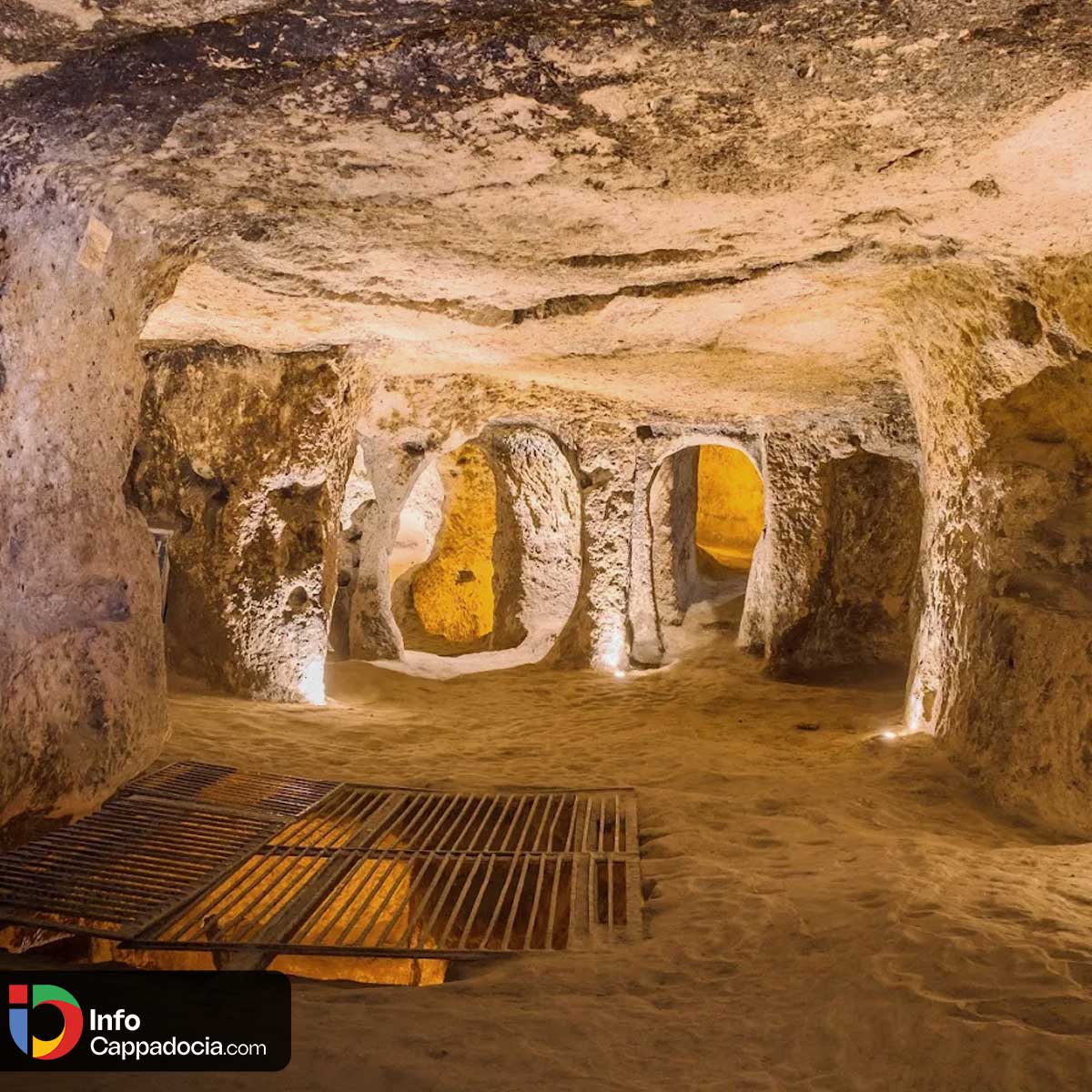
Derinkuyu was not simply a hiding place but a fully functional underground city designed for long-term habitation. Archaeological evidence shows that thousands of people could live here while maintaining daily routines, religious practices, and communal organization.
Key features of Derinkuyu Underground City include:
Churches and religious schools
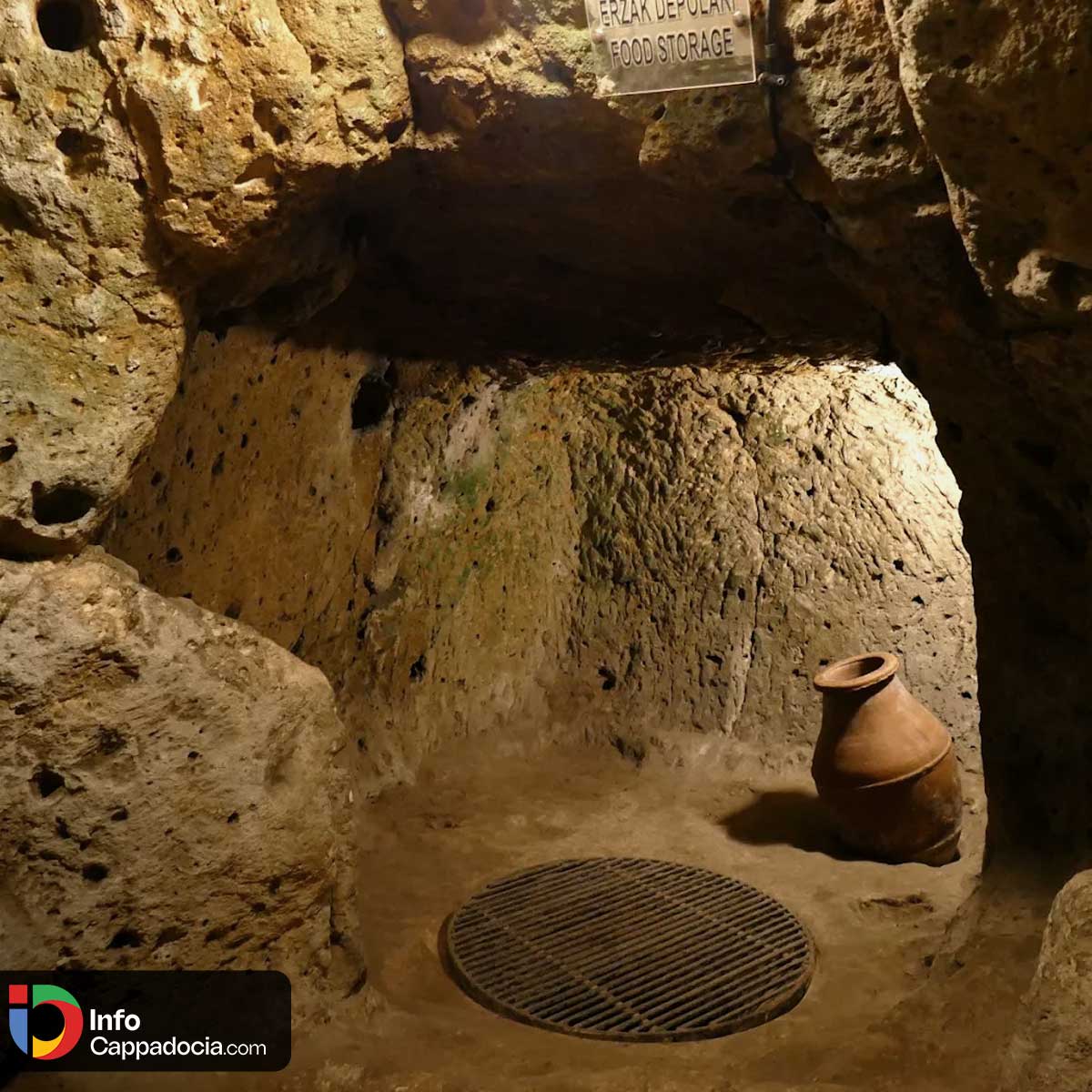
Large storage rooms for food supplies
Communal kitchens and living areas
Water wells and underground cisterns
Animal shelters and stables
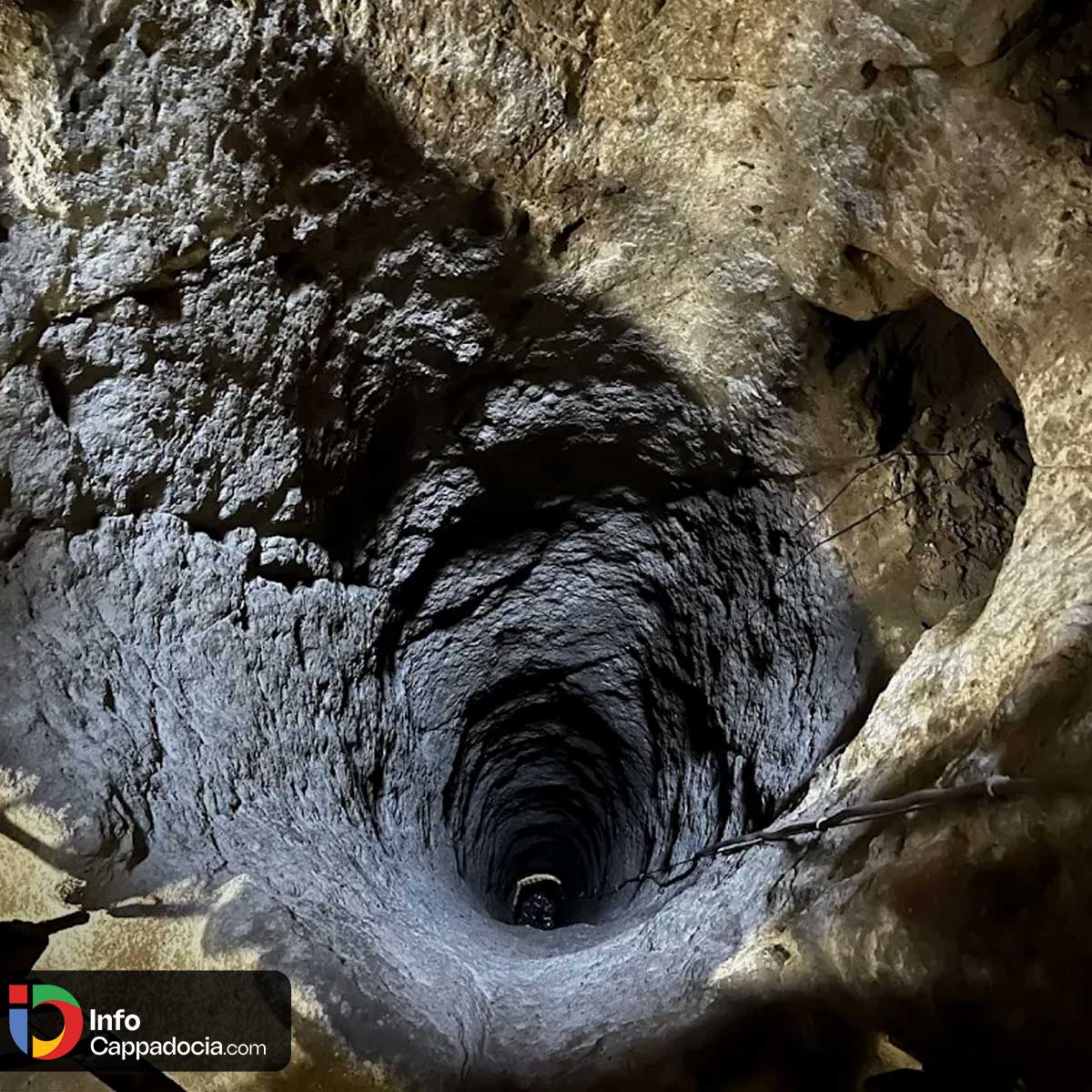
An advanced ventilation system with hundreds of air shafts
These systems ensured fresh air circulation even at the deepest levels, making life underground sustainable.
Defense and Security Below Ground
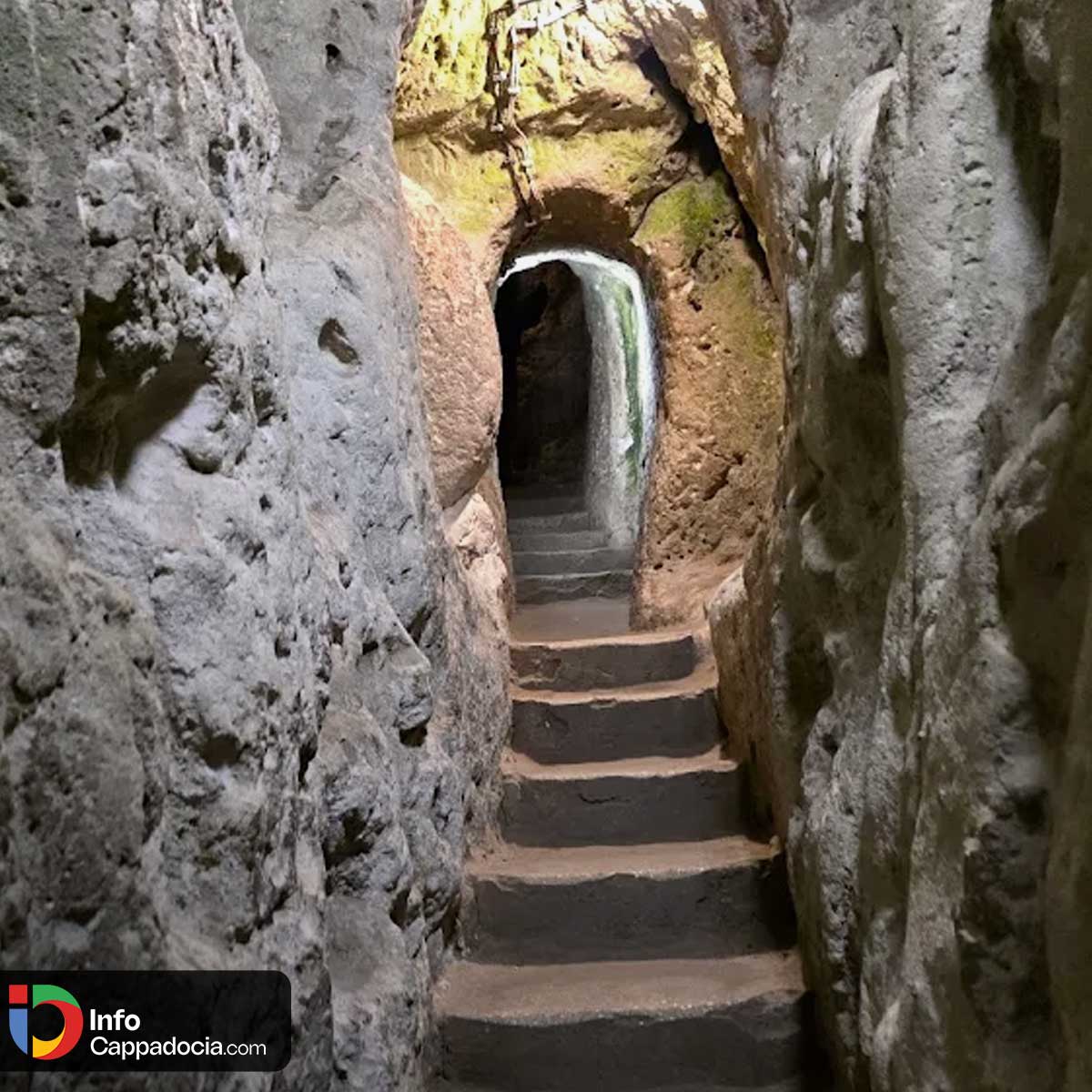
One of Derinkuyu’s most remarkable aspects is its defensive architecture. Narrow tunnels, low ceilings, and controlled passageways were intentionally designed to slow intruders and limit movement. Massive circular stone doors could be rolled into place from the inside, sealing off entire sections of the city during attacks.
Equally important was Derinkuyu’s independent water system. Some wells were accessible only from within the city, ensuring a secure water supply even during long sieges. This strategic design allowed inhabitants to remain hidden and self-sufficient for extended periods.
Life Under Constant Threat
Derinkuyu Underground City serves as a powerful historical record of life under constant pressure. Faced with political, military, and religious threats, communities in Anatolia adapted by retreating underground and constructing a hidden yet sustainable urban environment.
The city reflects not only fear and survival but also remarkable ingenuity, cooperation, and long-term planning.
Derinkuyu’s Significance Today
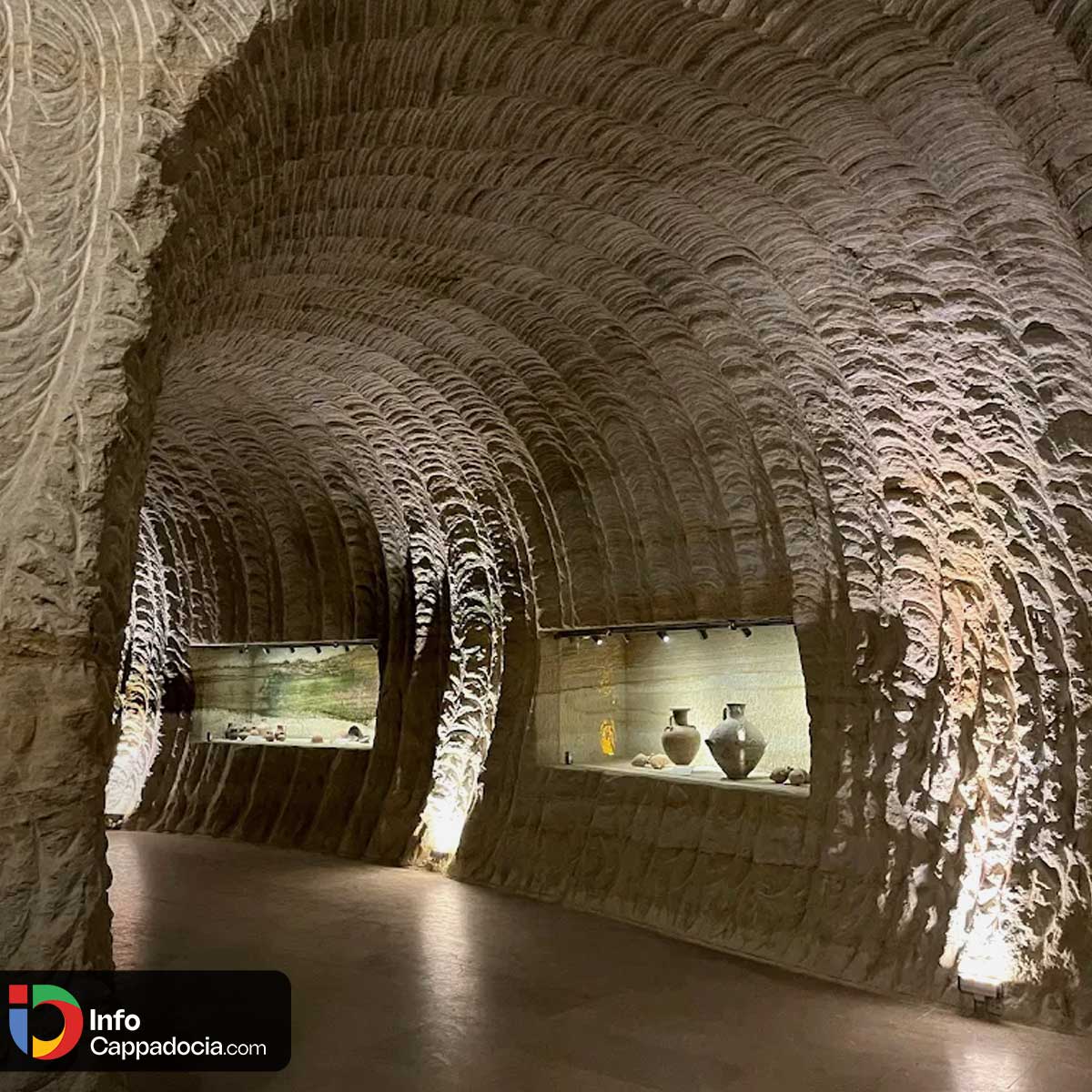
Today, Derinkuyu Underground City is one of Cappadocia’s most visited and important historical sites. Walking through its deep tunnels and chambers allows visitors to experience the scale and complexity of ancient underground life firsthand.
As the deepest underground city in Cappadocia, Derinkuyu is an essential stop on classic and historical Cappadocia tours, especially for travelers interested in archaeology, ancient engineering, and human resilience.
Why Visit Derinkuyu Underground City?
The deepest underground city in Cappadocia
Multi-level design reaching over 60 meters underground
Advanced ventilation and water systems
Unique example of ancient defensive architecture
Insight into communal life beneath the earth