Origins and Historical Development
The earliest construction of Kaymaklı Underground City is believed to date back to the Hittite period, around the 2nd millennium BCE. Over time, the settlement was expanded and refined, particularly during the Roman and Byzantine eras, when underground cities became essential refuges for local populations facing invasions and instability.
Each period added new levels, rooms, and systems, transforming Kaymaklı into a complex, multi-layered underground metropolis.
A Multi-Level Underground City
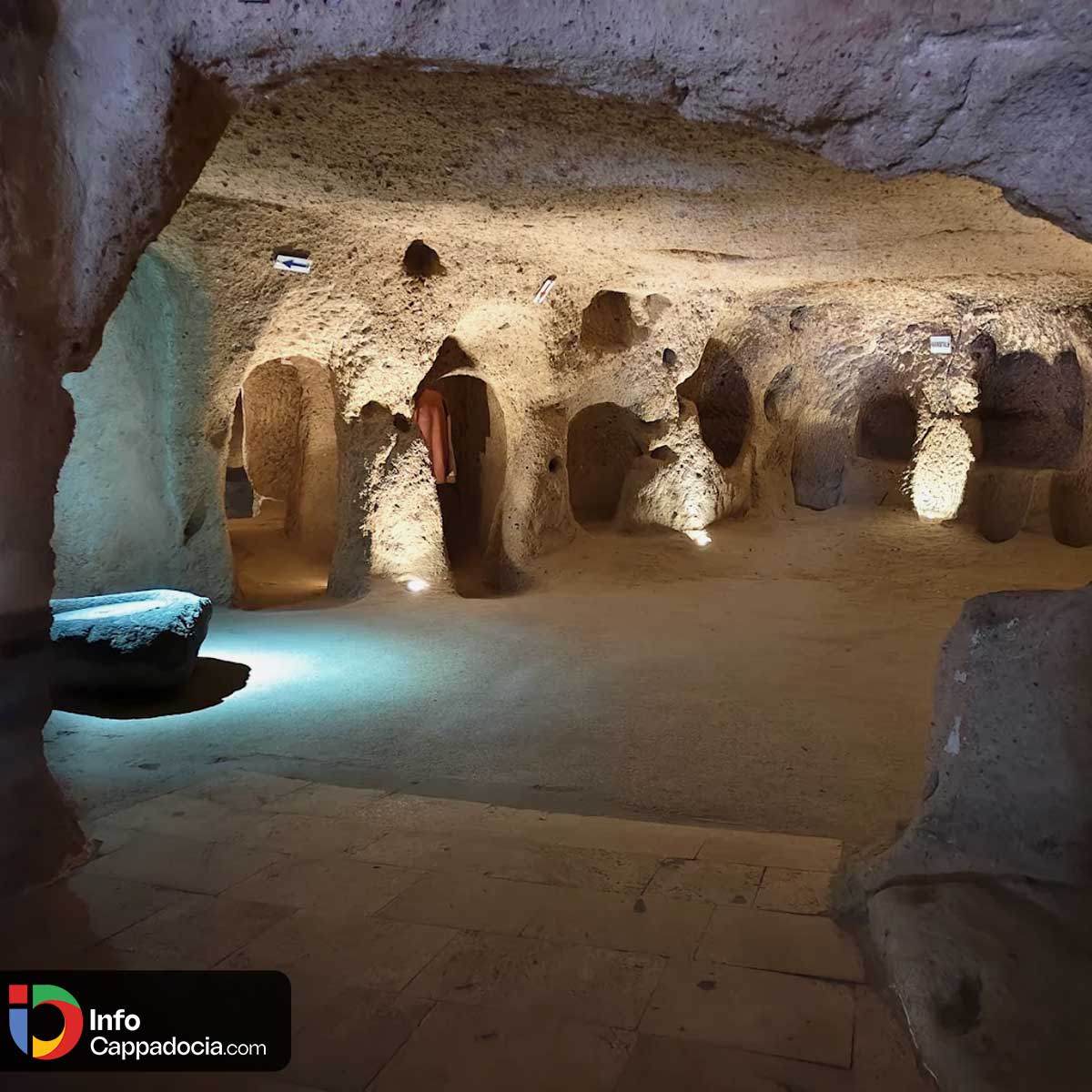
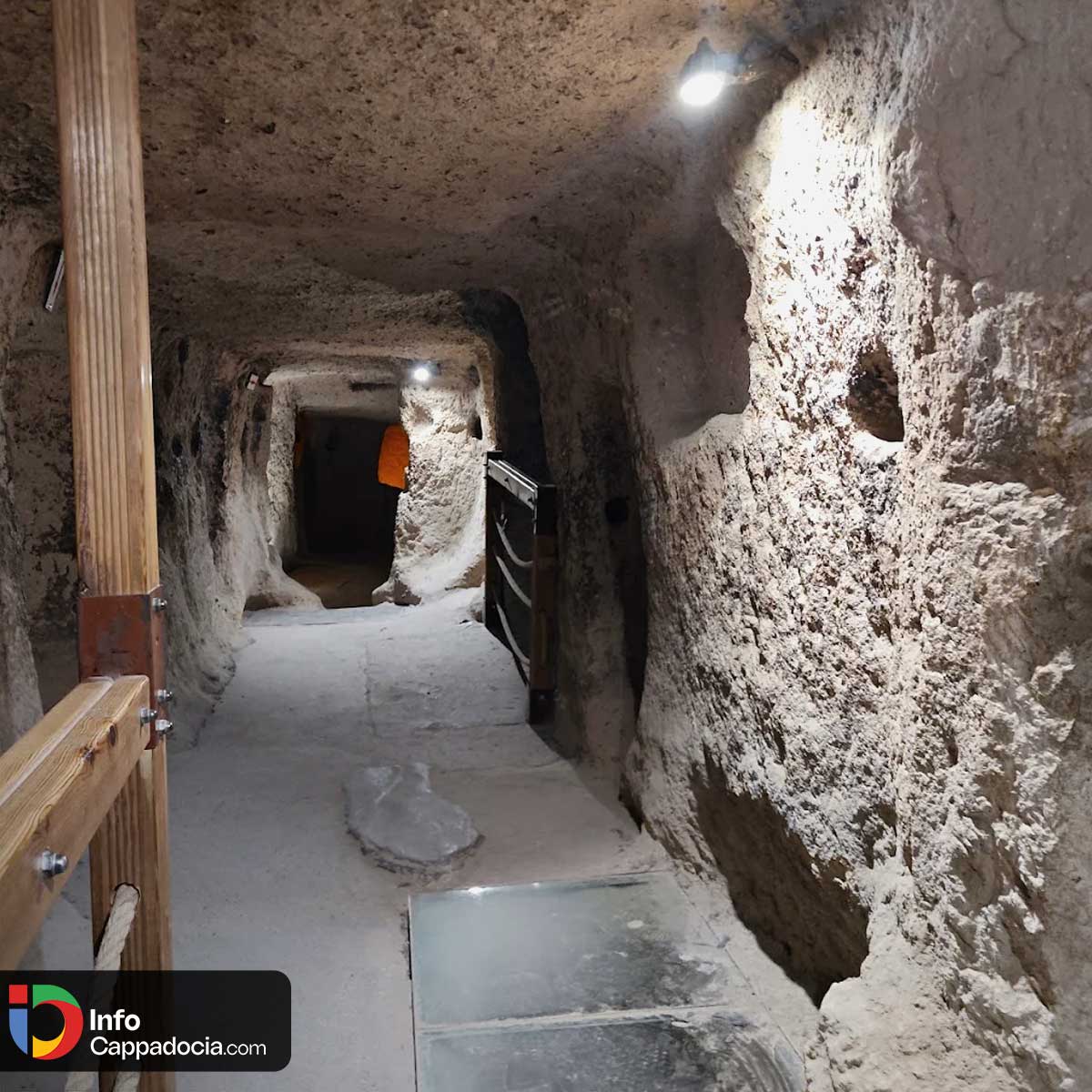
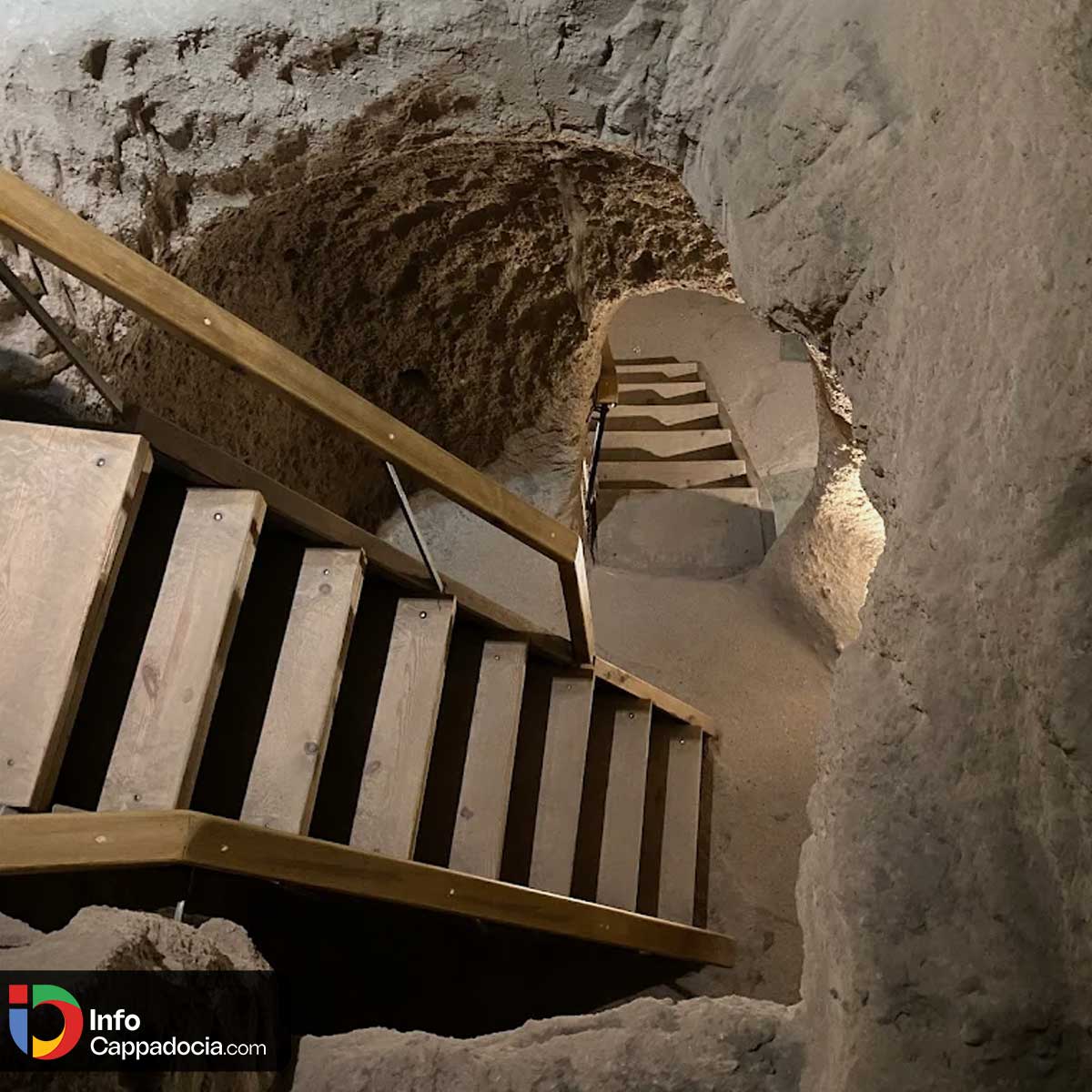
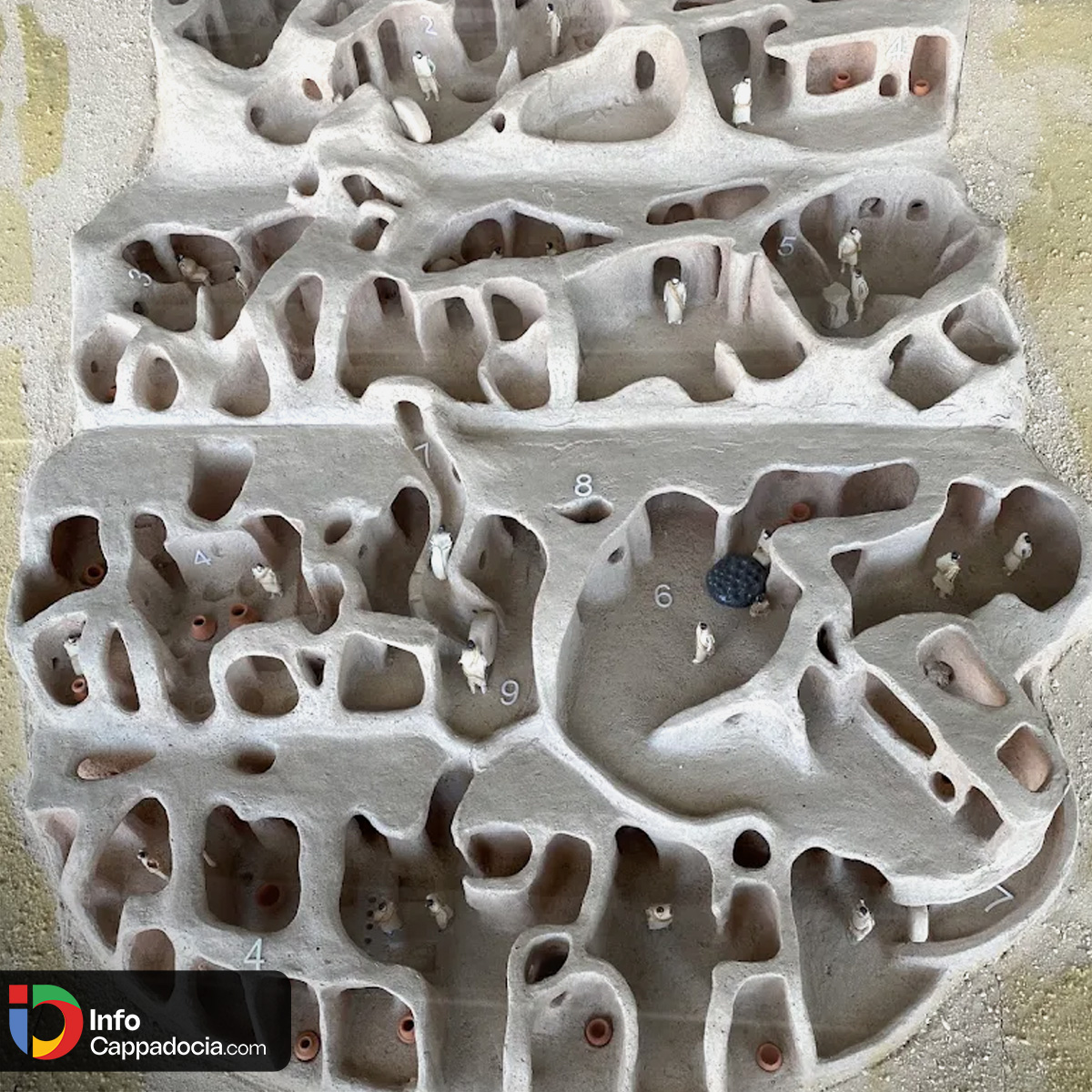
Kaymaklı extends across several underground levels, connected by narrow tunnels and sloping corridors designed to control movement and enhance security. While not all levels are open to visitors today, the accessible sections reveal an advanced and carefully planned living environment.
Inside the city, archaeologists have identified:
Living quarters and communal rooms
Storage areas for grain and supplies
Kitchens and food preparation spaces
Stables for animals
Wine and oil production rooms
An advanced ventilation system supplying fresh air deep underground
These features demonstrate that Kaymaklı was designed for long-term habitation, not short-term hiding.
Defense and Protection Below Ground
Kaymaklı Underground City was part of a larger network of underground settlements spread across Cappadocia. These cities were connected strategically, allowing communities to move, hide, and survive during periods of invasion.
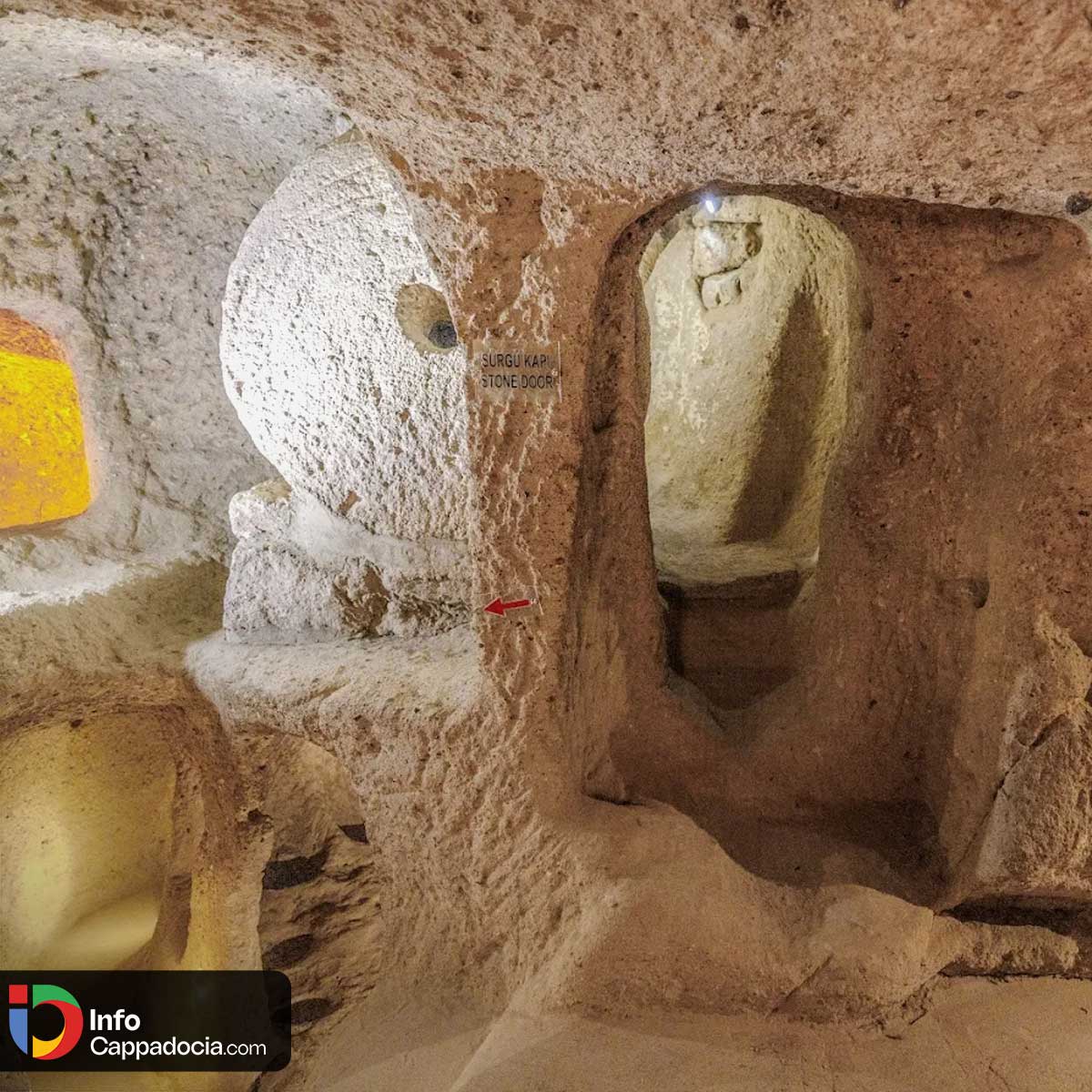
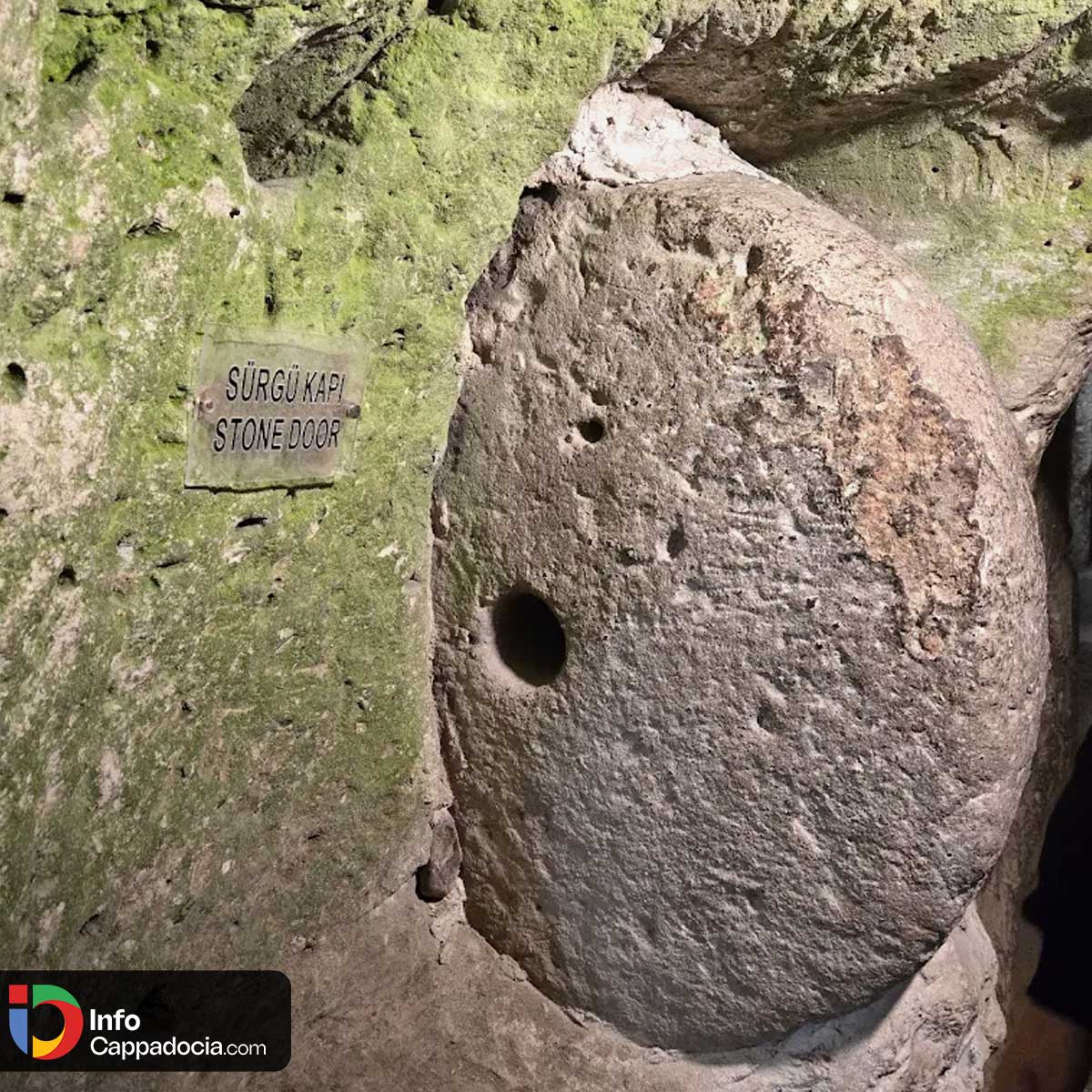
One of the most distinctive defensive features is the use of large circular stone doors, which could be rolled into place to block tunnels from the inside. These doors allowed residents to seal off sections of the city, preventing enemies from advancing while maintaining internal safety.
The narrow passageways, low ceilings, and controlled access points further strengthened the city’s defensive design.
Community Life Underground
Despite being built for survival, Kaymaklı reflects a strong sense of community and organization. Shared spaces, storage areas, and production rooms show that inhabitants lived cooperatively, managing resources and daily life underground for extended periods.
This level of planning highlights how early Anatolian societies adapted creatively to insecurity, turning the underground world into a place of refuge, productivity, and social structure.
Kaymaklı’s Importance Today
Today, Kaymaklı Underground City stands as one of Cappadocia’s most important historical and archaeological sites. Visiting the city allows travelers to walk through ancient corridors and experience firsthand how civilizations once lived hidden beneath the volcanic landscape.
As one of the best-preserved underground cities in the region, Kaymaklı is an essential stop on classic Cappadocia tours, especially for visitors interested in history, architecture, and ancient survival strategies.
Why Visit Kaymaklı Underground City?
One of the largest underground cities in Cappadocia
Multi-level design with advanced ventilation
Remarkable example of ancient defensive architecture
Deep historical roots from Hittite to Byzantine periods
Insight into communal life beneath the earth