Geological Origins: The Natural Foundation of Paşabağ
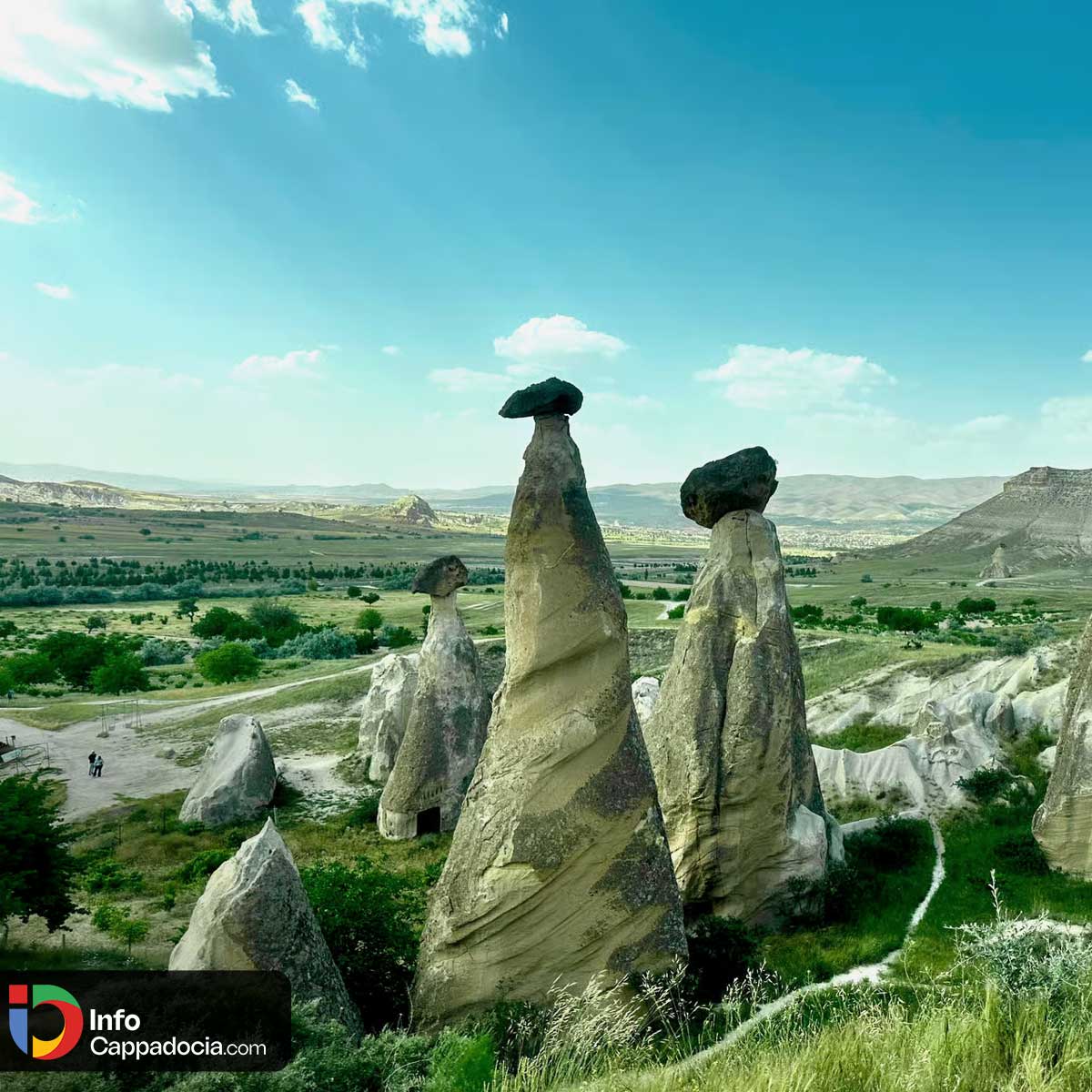
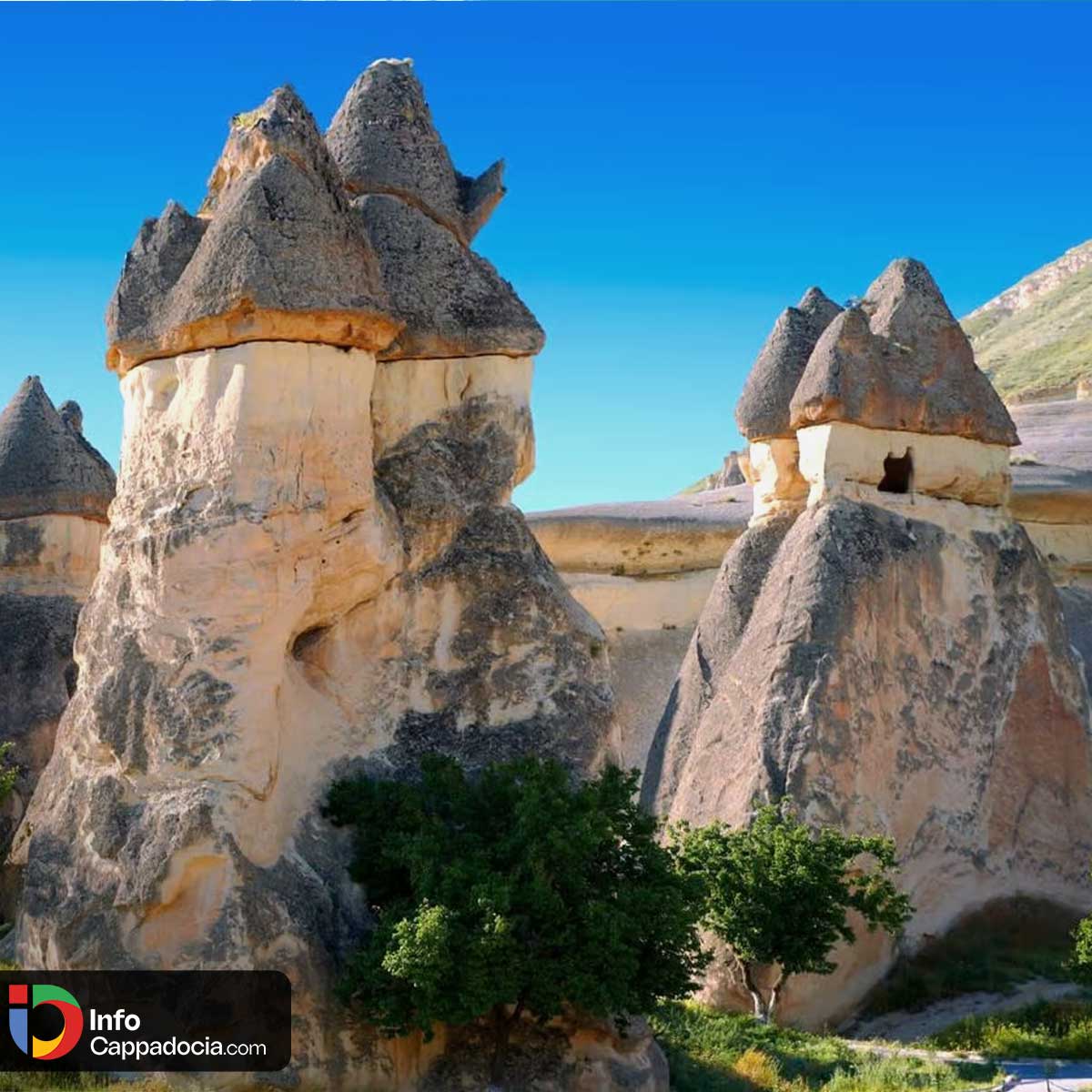
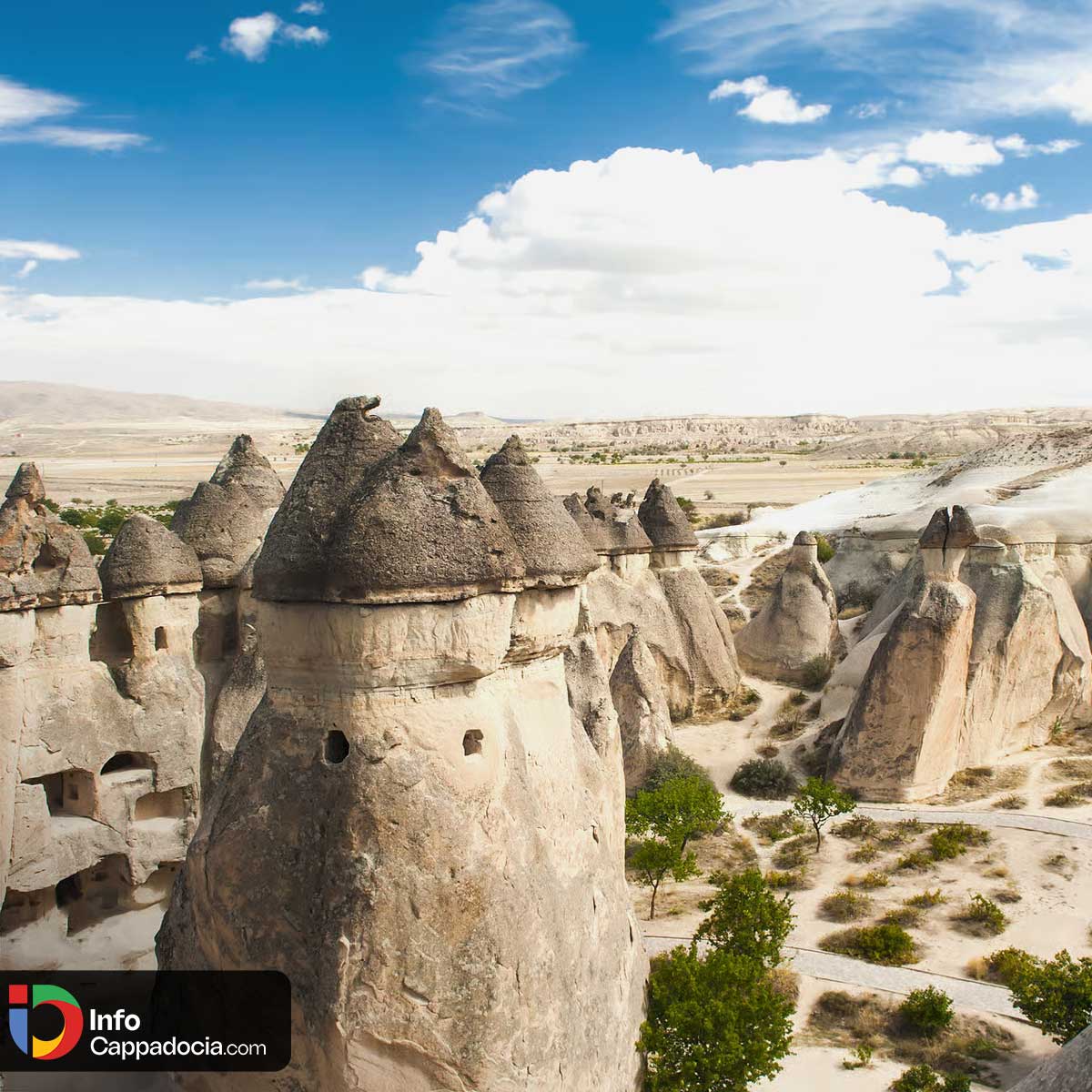
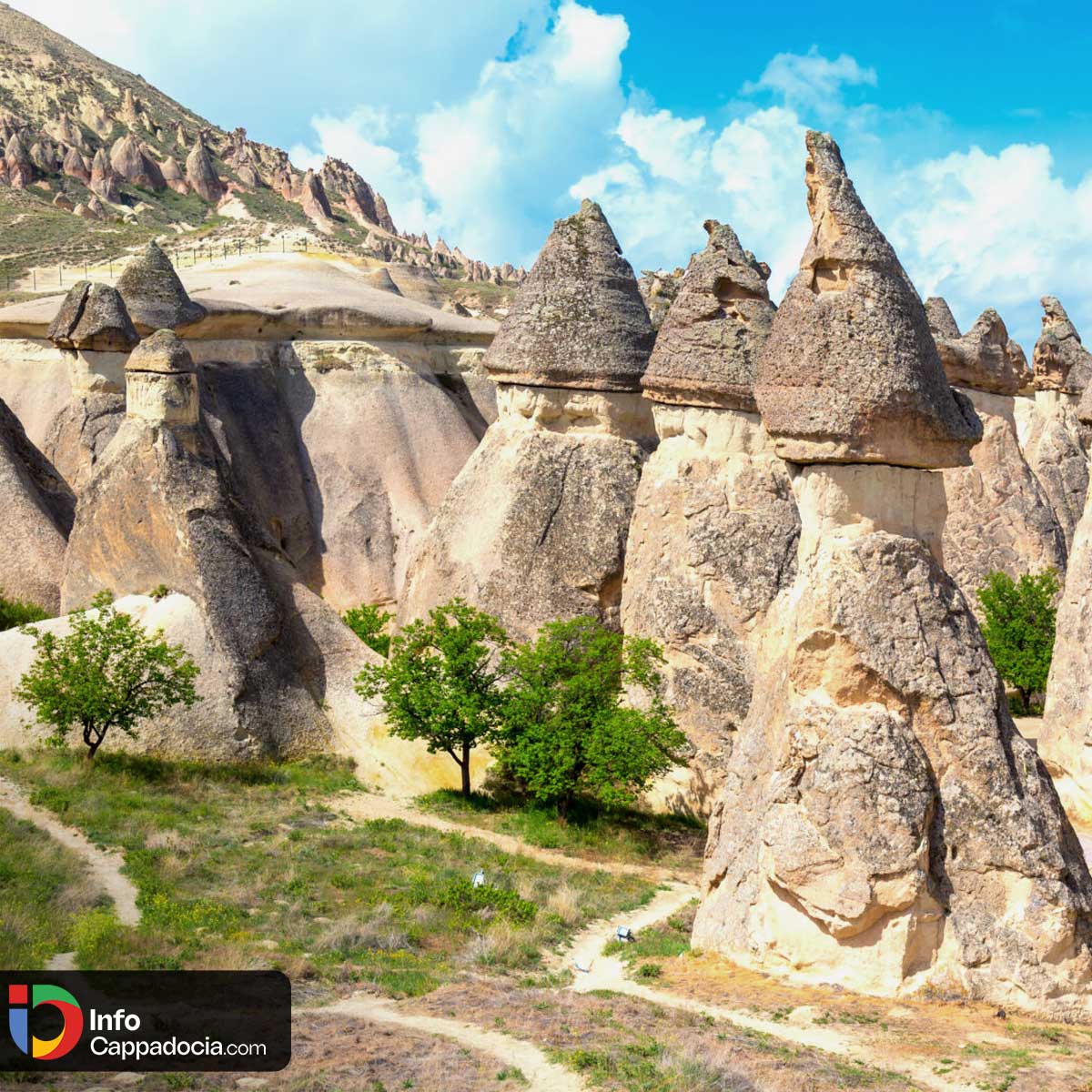
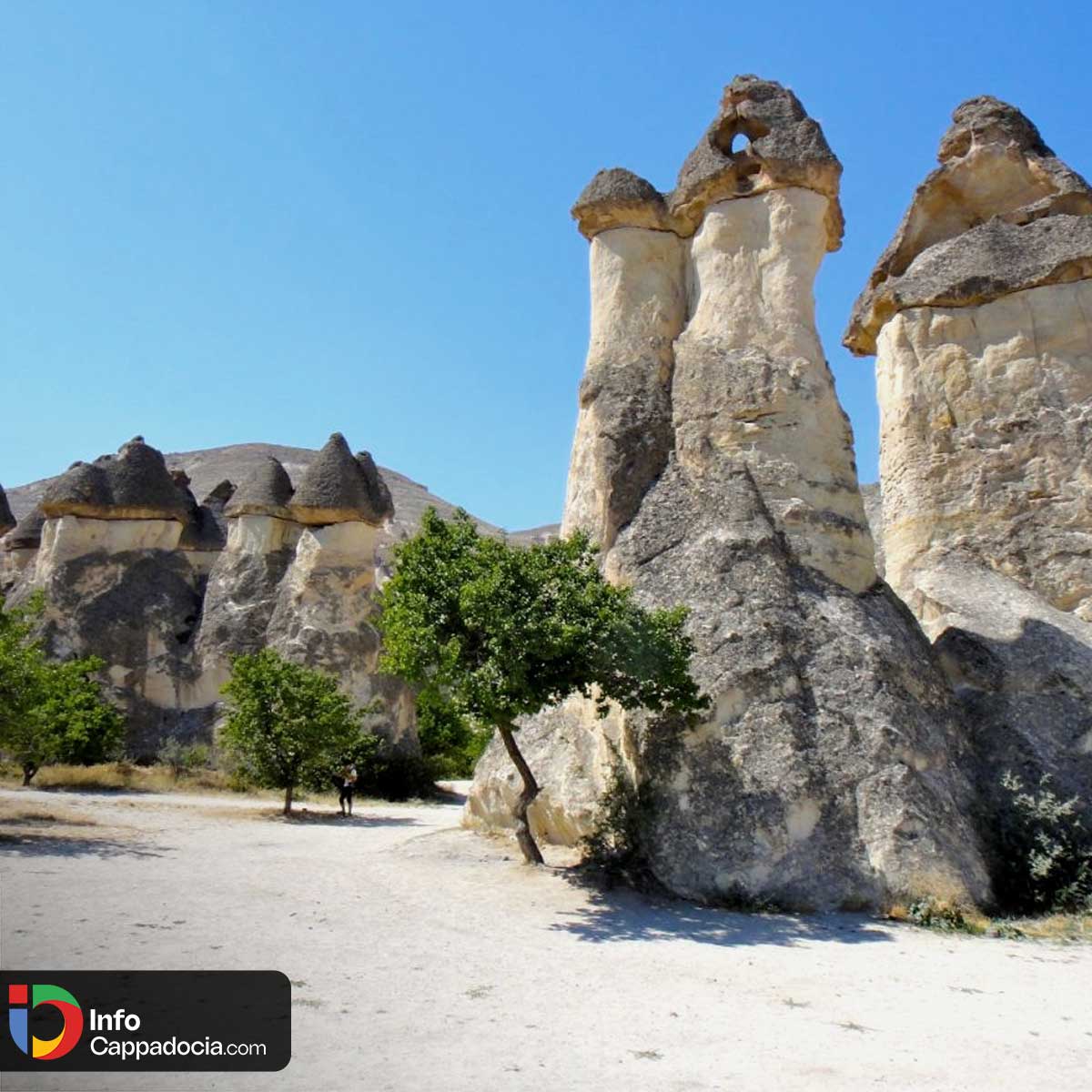
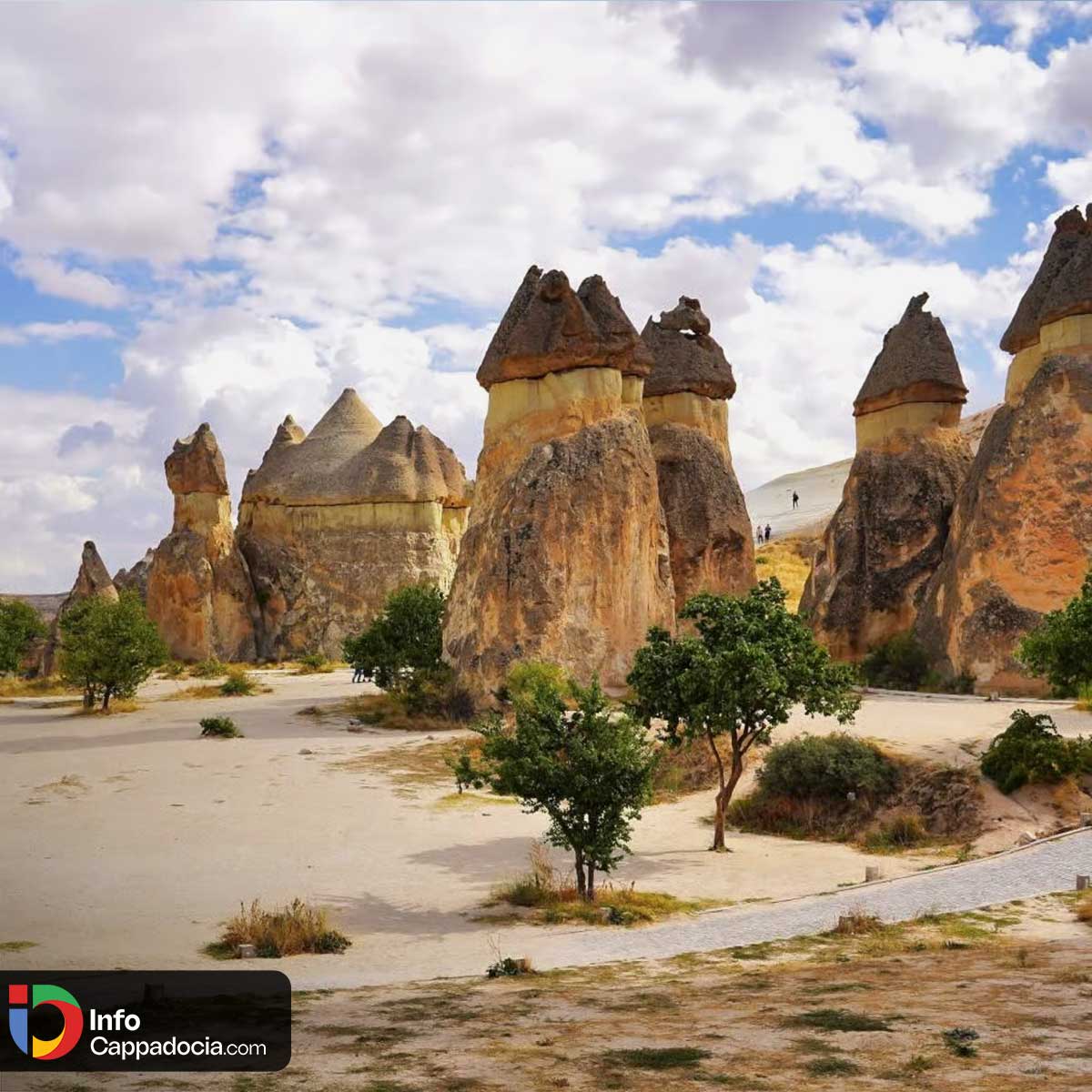
The unique landscape of Paşabağ was formed millions of years ago by intense volcanic activity from Mount Erciyes, Mount Hasan, and Mount Güllüdağ. Layers of volcanic ash and tuff settled across the region and, over thousands of years, were sculpted by wind and rain into the iconic cone-shaped formations known as fairy chimneys.
What makes Paşabağ especially remarkable is the soft yet durable volcanic tuff, which allowed humans to carve dwellings, chapels, and living spaces directly into the rock. This geological feature laid the foundation for long-term human settlement and religious use.
Paşabağ During the Roman and Byzantine Periods
Beginning in the 4th century AD, after Christianity was legalized in the Roman Empire, Cappadocia became a refuge for monks, hermits, and ascetics seeking isolation, spiritual discipline, and safety. Paşabağ’s secluded environment and naturally protective rock formations made it an ideal location for monastic life.
Monks carved cells, chapels, and small churches into the fairy chimneys, many of which feature multiple levels, stairways, and living quarters. These structures demonstrate that Paşabağ was not a temporary shelter but a well-organized and enduring monastic settlement.
Saint Simeon and the Spiritual Importance of Monks Valley
Historical tradition closely associates Paşabağ with Saint Simeon or his followers, known for practicing extreme forms of asceticism. These monks pursued a life of prayer, solitude, and self-discipline, often living in narrow rock chambers high above the valley floor.
As a result, Paşabağ evolved into an important spiritual retreat and teaching center, strengthening its role in early Christian Cappadocia and attracting religious communities from across the region.
Paşabağ within the Cappadocian Monastic Network
Paşabağ is part of a wider Cappadocian monastic network that includes Göreme Open-Air Museum, Zelve Valley, and the Ihlara Valley. During the Byzantine era, these interconnected settlements played a crucial role in preserving Christian education, religious traditions, and cultural continuity during times of political uncertainty.
Together, they form one of the most extensive and well-preserved examples of rock-cut monastic architecture in the world.
Historical and Cultural Value Today
Today, Paşabağ (Monks Valley) stands as one of the finest examples of Cappadocia’s religious and architectural heritage. Walking through the valley allows visitors to experience firsthand how geology, faith, and human ingenuity came together to create a truly unique environment.
For travelers interested in history, culture, and spirituality, Paşabağ is an essential stop on classic and historical Cappadocia tours, offering insight far beyond its famous fairy chimneys.